
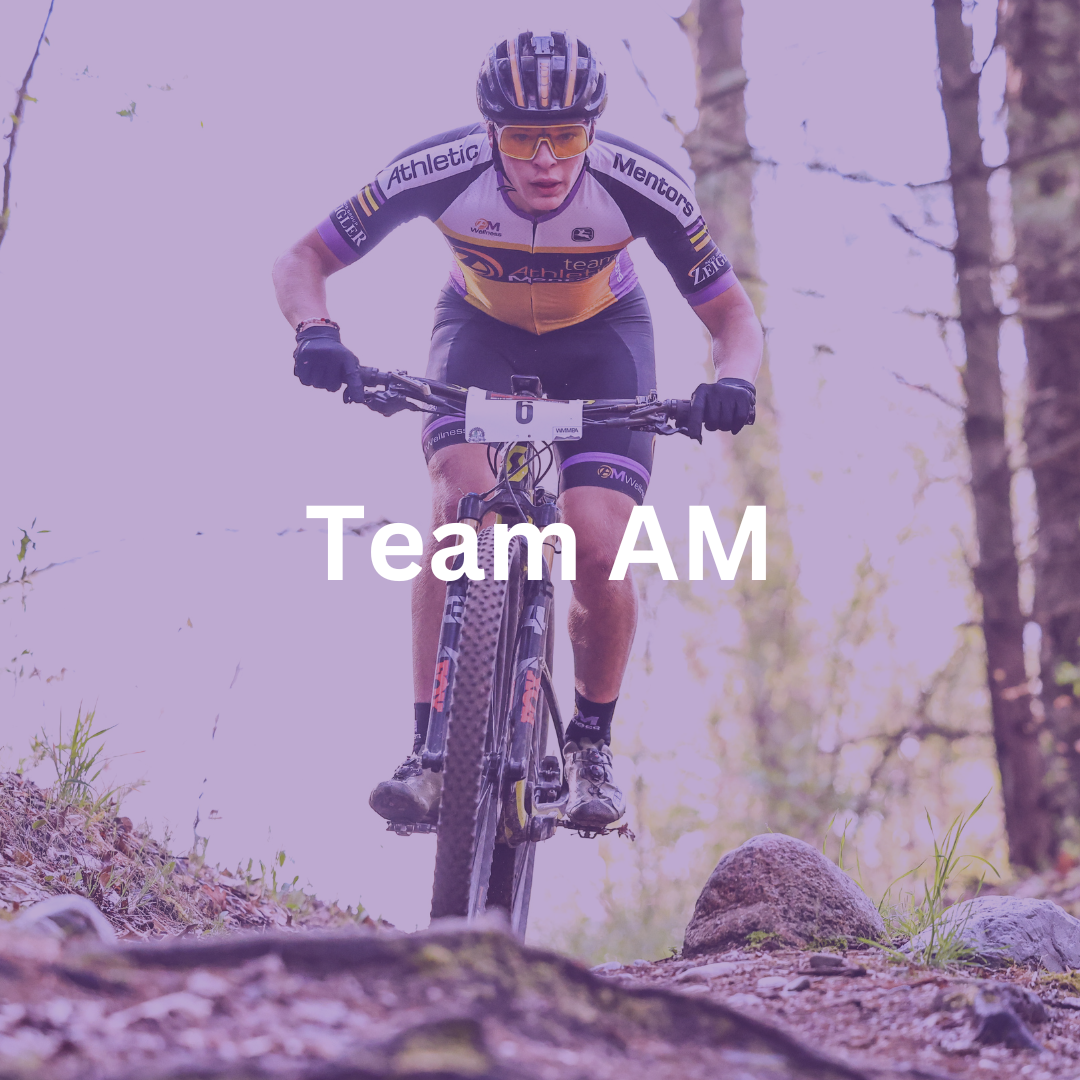
By: Joe Bianchini My first experience on a longer bike ride of sorts was in 2014, after I had just graduated college. My girlfriend at the time and now wife, had just received a road bike for her birthday and was eager to try it out. We were staying at her parent’s cottage near Bellaire, MI and had spent a lot of time meticulously plotting out how far we were going to go, what speed we wanted to maintain, what clothes to wear and most importantly how long we could afford to stay at The Dockside, a local bar on Torch Lake. When I say afford, I mean both how many beers we could literally afford having just graduated college and
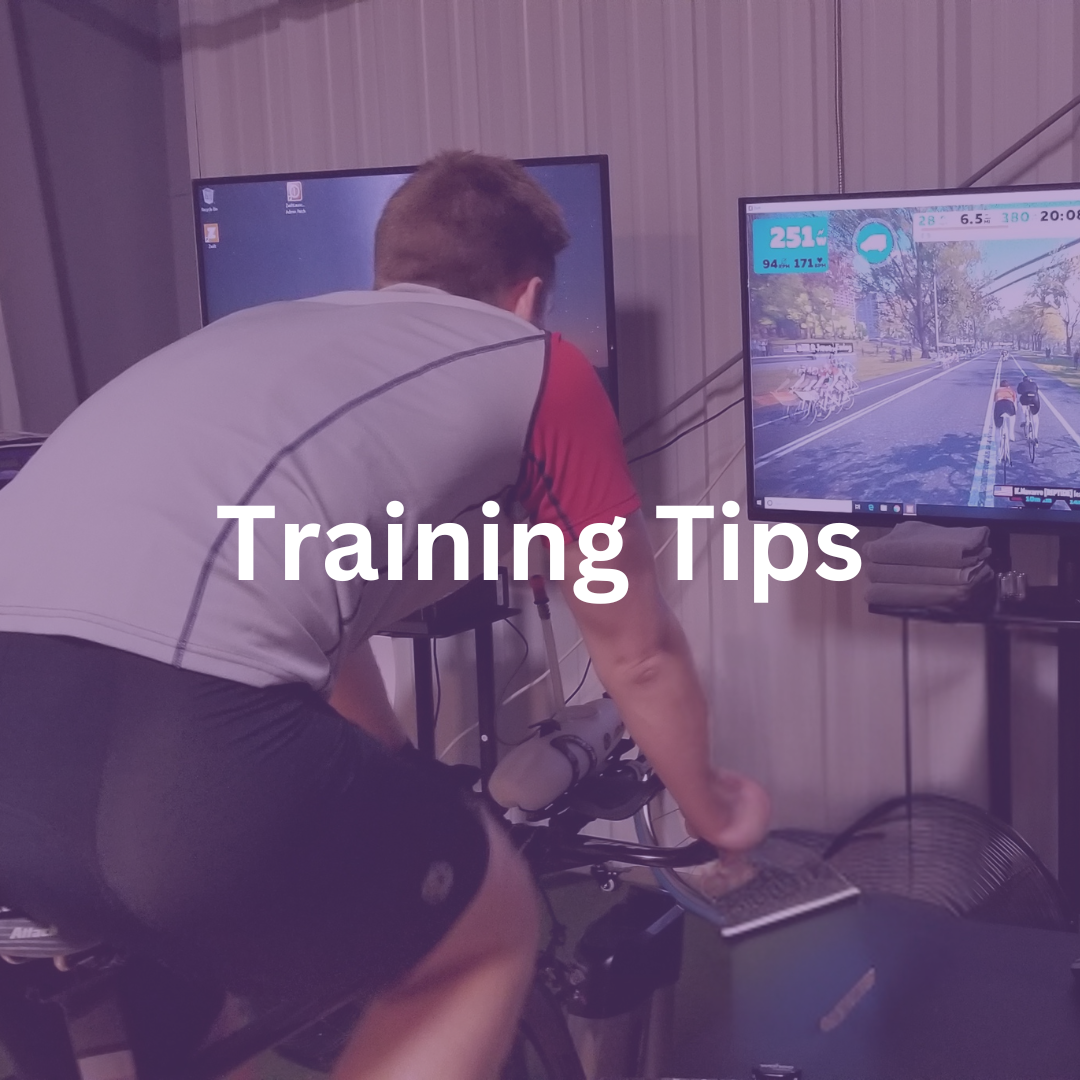
By: Raquel Torres It doesn’t matter how many Triathlons you have competed in everyone has experienced these common things that go wrong. The more important aspect is how are YOU going to handle it when it happens! Especially for a beginner, you need to know that things do not always go right even for a pro athlete. You can’t let things that go wrong ruin your experience during an event. Part of the challenge of a Triathlon is overcoming situations that are out of our control even including Mother Nature. Triathlons offer many benefits not available in other sports, such as avoiding injuries since you doing a variety of training and a great number of psychological benefits. The satisfaction of improving,

By: Terry Ritter In my almost 20 years of coaching I’ve had a few athletes that signed on to just do a short training plan for the Iceman. Many of these athletes were experiencing their first edition of this race, or one of their first few, and so I made sure I covered all the bases. This meant bike prep, maintenance, nutrition, and other points that could help improve their chances of success. For the ’19 season I have two athletes tying on an Iceman number plate for the first time, and I’m pulling out all my old information to help them prepare in hopes they enjoy this unique event. Here’s some of the important stuff if you need to quickly get
By: Erin Young “I’m a runner, why should I strength train?” I get this question often and honestly there is no single, easy answer. But I do believe there is a time for strength training in every athlete’s year. It will look different for every runner. It may be an off season activity while the snow flies, it could be three days a week up until the competition or just 20 minutes a day to work on core, balance or weaknesses. In the last decade, new research is showing that strength training can benefit many kinds of endurance runners–if the right types of it are done in the right doses. This newer research suggests that strength training can enhance endurance-running performance by
By: Ross DiFalco Bike racing is an incredibly rewarding sport. It can also be very frustrating. This is the synopsis of my first season of trying to figure out this whole bike-racing thing. To start things off, mentorship is the greatest thing you can hope for. Find some great people that have been in the sport and take their advice! There are plenty of times when I feel I know best and the result is rarely in my favor. Beyond finding a mentor , what you can do is to learn to manage time. Bike racing is a time intensive sport. If you can’t find time to ride, winning is not in the cards. I am going to tell you the
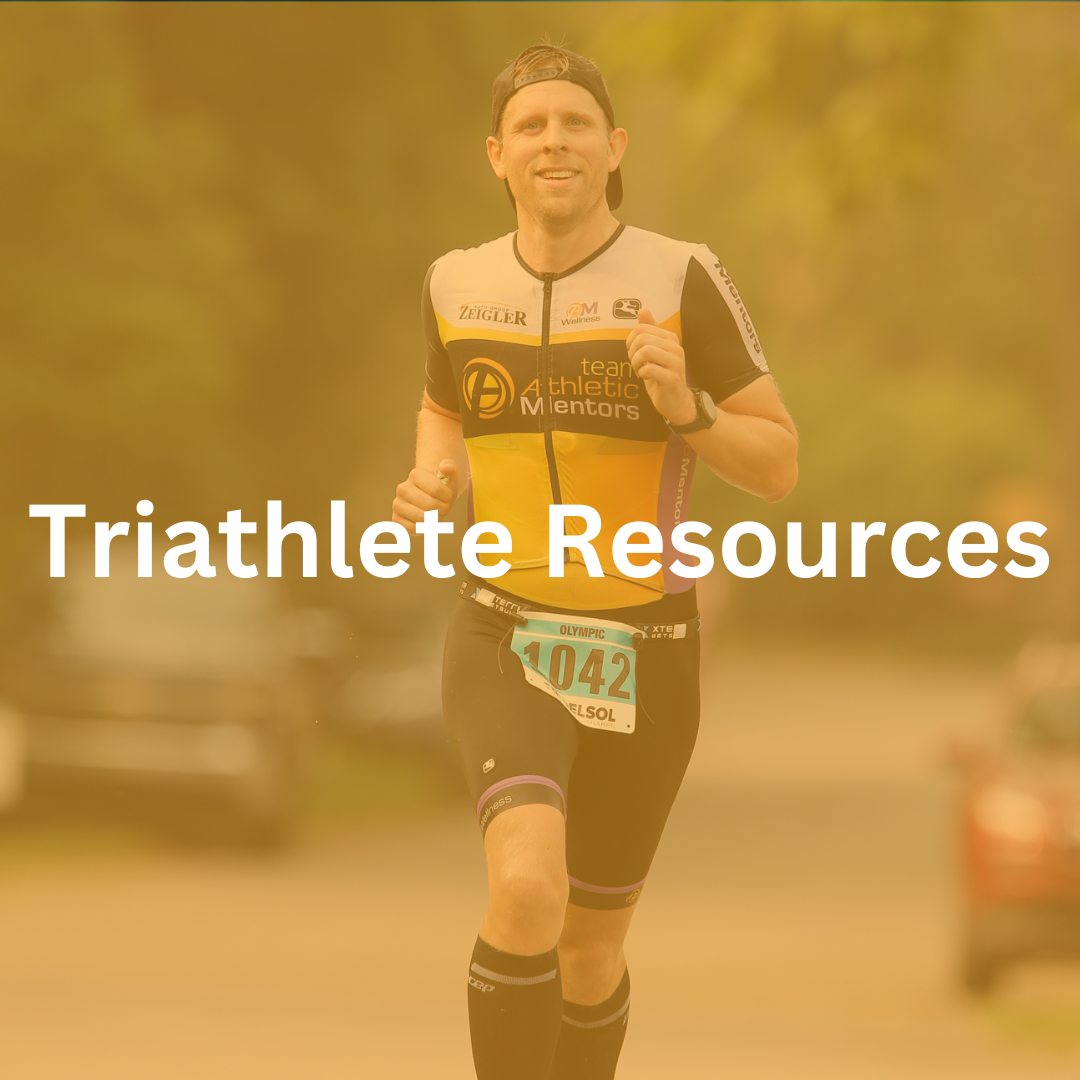
By: Andrew Fathman Over the past few seasons, I have had the privilege to compete in multisport races on every scale possible. From a local race of 100 to an international championship with 4,000 other triathletes. With the perspective provided by these opportunities, I have asked myself the question of which format I prefer? But maybe that’s not the right question. Maybe I should be asking which one was more worth it to me at the price tags that come with them. However, there may be a dozen other questions that, when answered, will help a dozen different people plan their race season. Below, I will lay out the pros and cons of both levels of racing because the conclusion that
 Athletic Mentors