
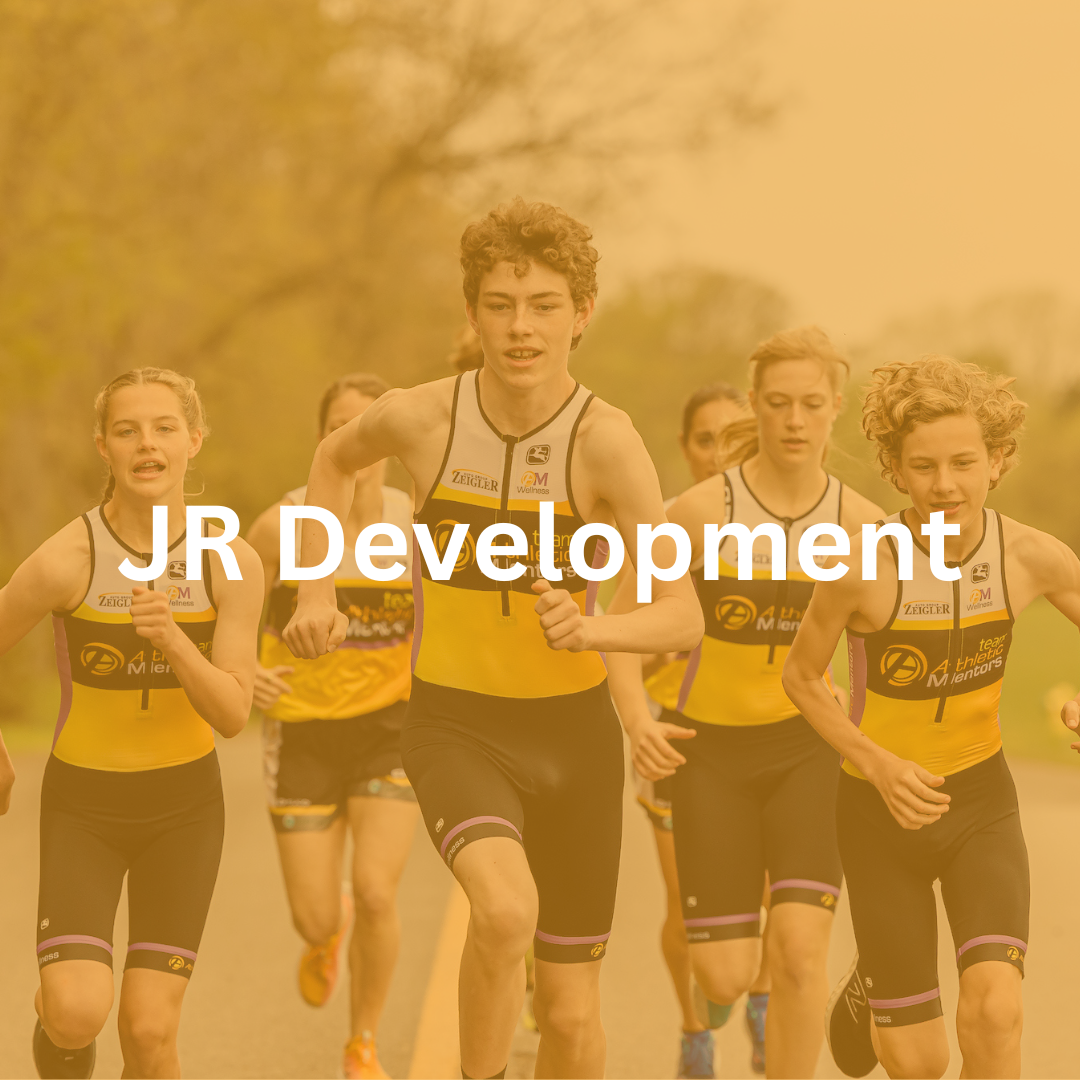
May 2nd, 2025 by JoAnn Cranson By: Nick Galanis My name is Nick Galanis, and I am 13 years old in 7th grade. Throughout the year, I actively participate in five different sports: wrestling, swimming, cross country, track, and triathlon. I have a passion for pushing my limits in new competitive settings, and each sport offers exciting opportunities for personal growth while fostering teamwork as we all strive toward a shared goal. Wrestling, in particular, is one of my favorite sports. I thrive on the intensity of competition and deeply value the camaraderie of the team, which motivates me to consistently improve—becoming quicker, stronger, and setting new personal records. My name is Nick Galanis, and I am 13 years old

Let’s Fix That! Waking up after a full night of uninterrupted sleep feels amazing! Unfortunately, about 1 in 3 adults don’t get enough sleep. We hear a lot about the importance of a good night’s sleep and receive many tips on improving the quality and quantity of sleep. If you’re like me, understanding the reason behind things inspires lasting changes. Knowing that blue light from screens messes with my melatonin and that alcohol disrupts my sleep makes me want to put down my Kindle and skip the nightcap earlier in the evening. Why is sleep important? Sleep is not a luxury; it is essential for our physical, mental, and emotional health, as well as healing. Here are some of the
The Science Behind Sunlight and Mental Health The Sun does more than light up our world—it plays a powerful role in our mental well-being. One of the main ways it does this is by triggering the production of vitamin D in our skin. When ultraviolet B (UVB) rays from sunlight hit the skin, they stimulate the production of this essential nutrient. Vitamin D is closely linked to mood regulation, and low levels have been associated with depression and seasonal affective disorder (SAD). Sunlight also influences the production of key brain chemicals: Serotonin: Exposure to sunlight increases the brain’s release of serotonin, a neurotransmitter that boosts mood and helps you feel calm and focused. This is one reason people often feel
By: Kinley Polnasek My name is Kinley Polnasek and I am 11 years old and currently in 5th grade at St. Joseph Elementary in Battle Creek. This is my second year participating with Team Athletic Mentors. I love all things sports and currently play basketball and soccer in addition to triathlons. I completed my first kids triathlon when I was 7 years old at the Cereal City Triathlon. No one in my family or extended family has ever participated in the sport so I thought it would be cool if I was the first one! While I was nervous at first, I loved how fast and competitive it was. The final sprint through the finish line is always my favorite part. It gives
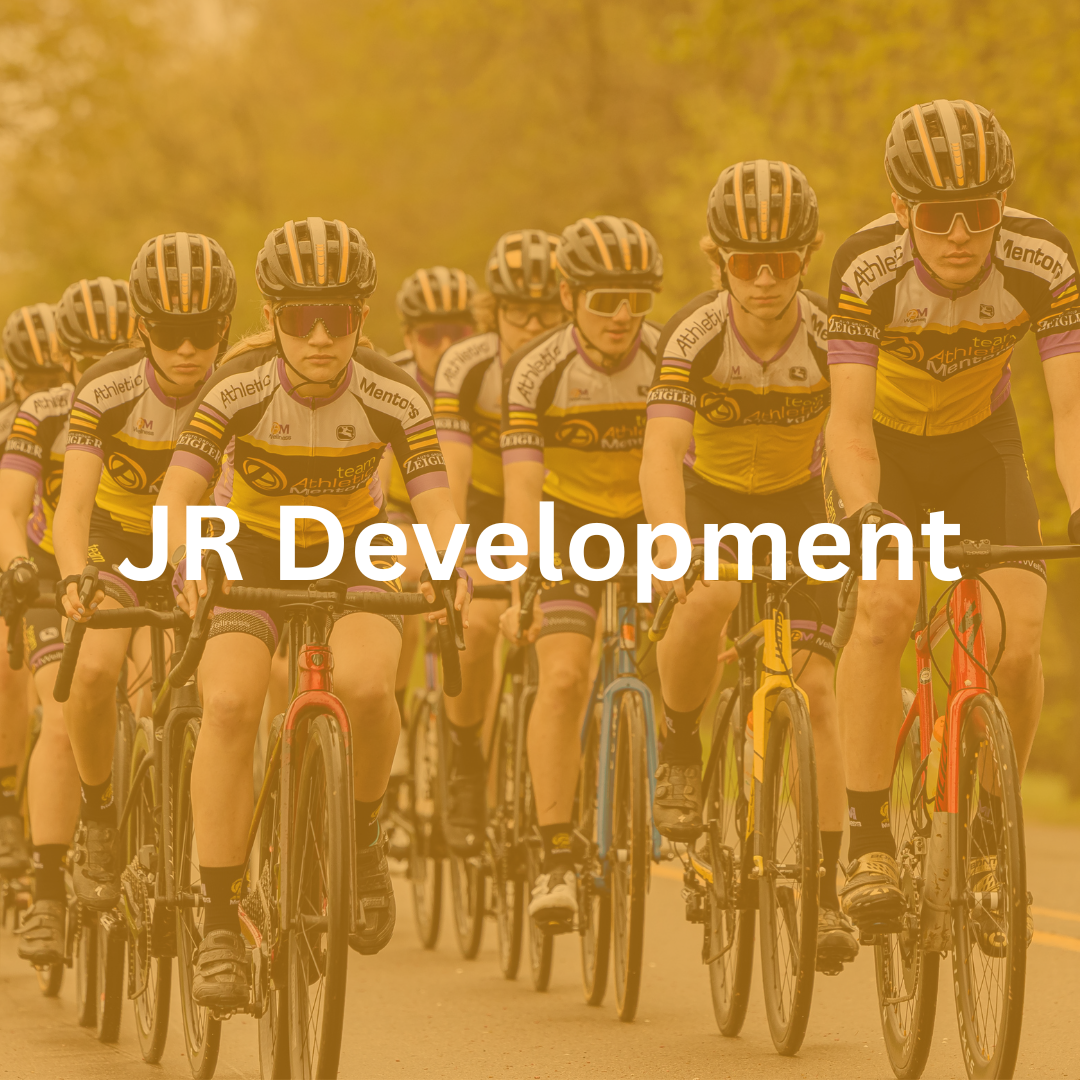
An interview with program director: Terry Ritter What were some highlights of year four for the program? We were able to win a number of local road races in the Elite class, on both the west and the east side of the state (Waterford and Grattan), with multiple juniors. 3 of them did the 2023 Iceman in the PRO class, with Jonathan Meyer getting 13th overall. Jon also raced in his first PRO criterium field at Tour of America’s Dairyland (ToAD). Charlotte raced up a junior class at ToAD and took 2nd in the 17-18 field for the 5 day omnium. Jack Kozlowski took 3rd in his Cat. 4 omnium as well. We also took a few wins in the
By: Briony Dean Hi, my name is Briony Dean! I am 14 years old and a freshman in high school. I see myself as an athlete and try to be my best. I am currently pursuing track where I hope to run the 800 and the mile. My favorite athletic activity has got to be swimming. Something that makes me very proud of myself is that this year, I went to the Division 2 state meet as an alternate for Portage Northern. I’ve wanted to be in the water for as long as I can remember. Now, I’ve been a competitive swimmer for almost 7 years! The part about competitive swimming that I love the most is mainly the environment.
 Athletic Mentors