
By: JoAnn Cranson If the thought of an open-water swim has ever kept you from trying a triathlon, Michigan has an answer: the dry triathlon, sometimes called a “dri-tri” or “driathlon”. I just don’t enjoy the open-water swim and thought I would give a Dry-Tri a “try”. It was so fun that now I’m hooked and look for any Dry-Tri I can find! Instead of swimming, athletes paddle a kayak, paddle board or canoe, then transition into a bike leg, and finish with a run. It’s the same endurance test and the same rush of crossing the finish line, minus the wetsuit and the worry about currents or cold water. With more than 11,000 lakes and countless rivers running through the
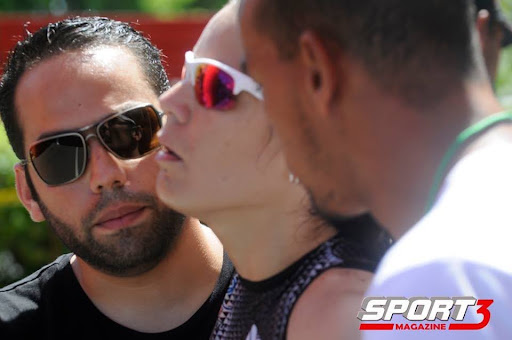
By: Raquel Torres In 2013, I had the honor of receiving a personal invitation from the Dominican Triathlon Federation to represent the country as an elite athlete on the Olympic circuit. It was an incredible opportunity, but also one of the hardest lessons of my athletic life. By then, I had started triathlon again in 2012 after nearly 15 years away from the sport, training through the winter in Michigan, mostly in controlled environments. Then suddenly, I was racing an Olympic-distance triathlon in nearly 99°F heat in the Dominican Republic. I wasn’t adapted. I wasn’t fully ready. I remember Coach Mark telling me to “dig deep.” That phrase stayed with me, but the race reminded me that “deep” isn’t always about
By: Jeremy Sikkema Walking onto the pool deck at the 2025 Kalamazoo Zoom Zoom Swim Meet, I had no idea what I was stepping into. There was an energy in that natatorium, swimmers warming up, heat sheets being posted, officials getting into position, and I quickly realized that I didn’t know the rules of this particular game. When do I warm up? How much should I eat and when? What does the flow of a swim meet actually look like from the inside? I was figuring it out in real time. The meet moved fast, faster than I expected, and I nearly missed my first event scrambling to understand what heat I was in and where I needed to be. Nothing
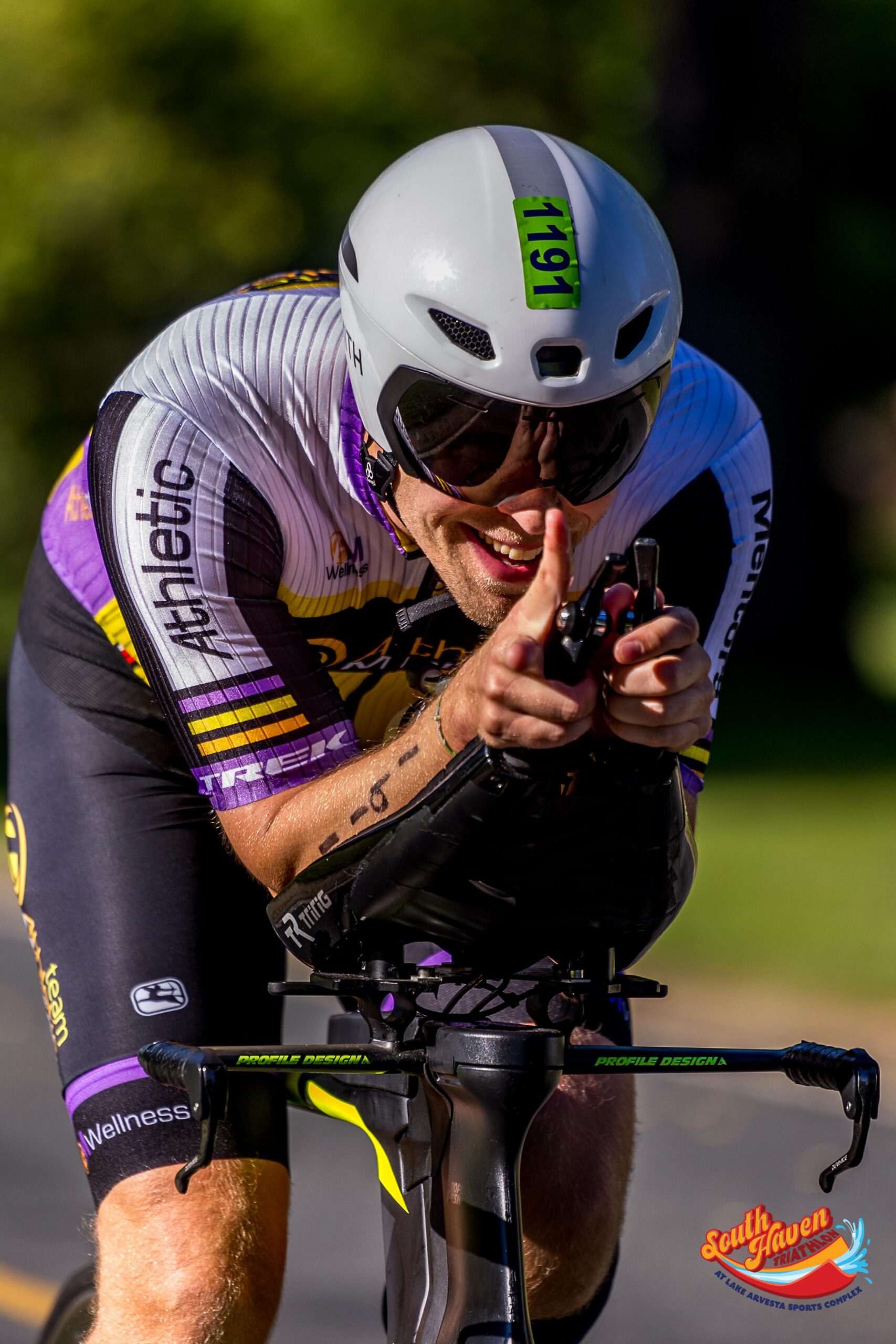
By: Jeremy Sikkema There’s a stat I focus on just as much as swim pace, watts, or finish time: smiles per hour. It’s not on any results page, but it’s the number that actually tells you whether a race day was a good one. I’ve now done the South Haven Triathlon twice, and the two races couldn’t have looked more different — yet somehow both scored high on the metric that really counts. South Haven has become one of my favorite races on the calendar, and 2025 and 2026 gave me about as different a pair of experiences as you can have at the same event. One year I had the fitness and thought I had the race. The next year
By: Ellie Wardell I want to kick off my Blog posting saga of the 2026 race year with a recollection of my Boston experience. After finishing the race and sitting in the memory of what once was, I wish I could bottle the feelings, emotions and visual/auditory experience of a Boston Marathon weekend. Like any recollection and story telling, you start with the beginning. I flew into Boston on a red eye from Seattle, my new home, landing at 6:30 am in MA. After some caffeine and a brisk walk toting my carry-on and backpack, I arrived at the Expo on Boylston Street. The expo was where bib pick up and merchandise was sold. Doors promptly open at 10 am, but
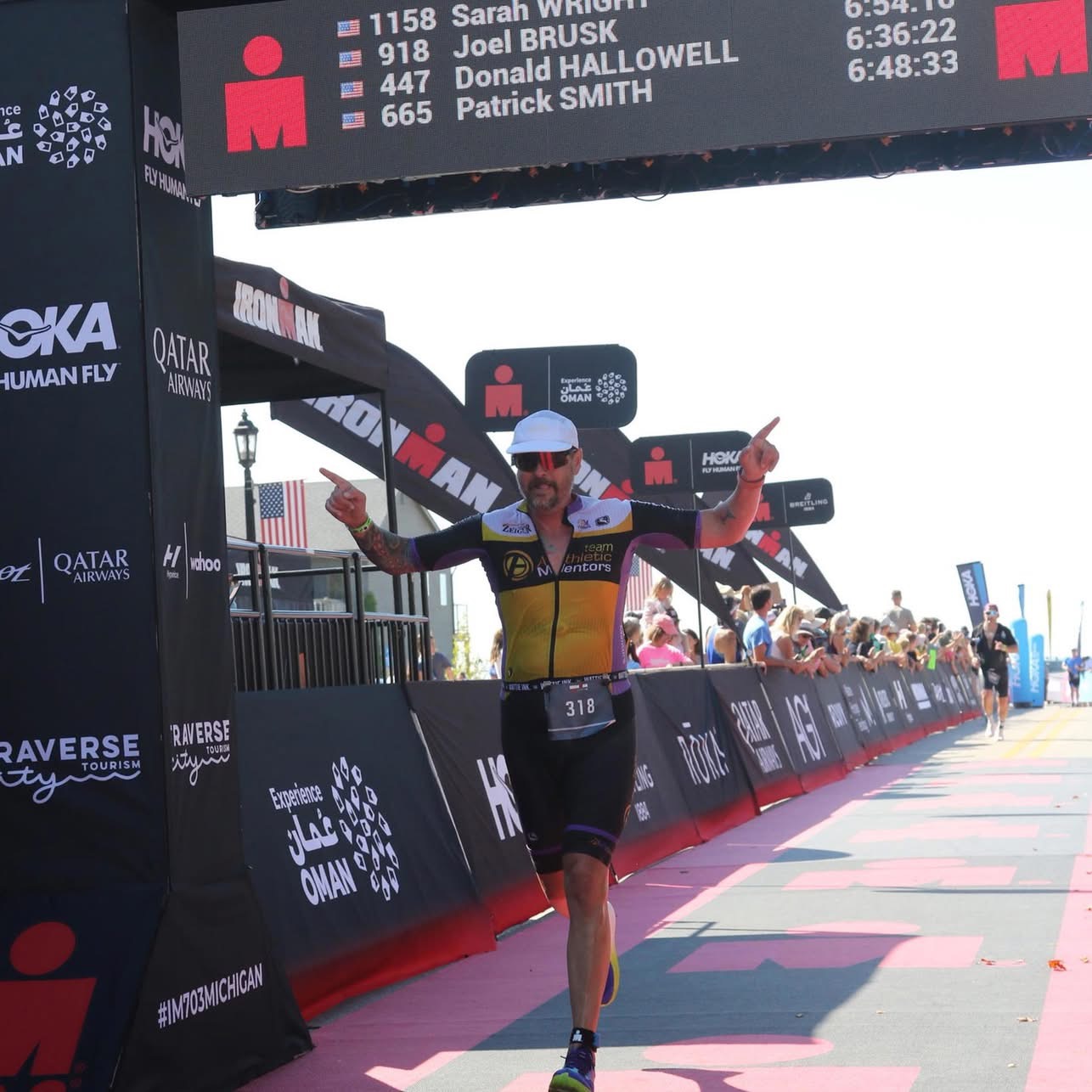
By: Mike Limerick Around 2020, I started noticing pain in my right arm. It would run from my shoulder blade down into my hand. It came and went, so I didn’t think much of it at first. I figured it was posture, overuse, or something I could manage. So I did what most athletes do. I kept training. I stayed on top of my exercises, saw a chiropractor, and worked on my posture and strength. In 2023, it got worse. I lost half my season and had to give up on my first full Ironman. That one stung. I had been building really well and felt strong. That was the first time someone told me the issue was coming from my
 Athletic Mentors